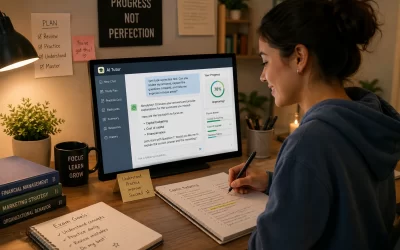
The landscape of education in Canada—and around the world—is shifting. As universities, colleges, and even high schools rethink how learning is delivered and recognized, one trend stands out: the rise of micro-credentials and modular learning. These new approaches offer more flexibility, personalization, and relevance for today’s students—and they could be shaping the future of education.
What Are Micro-Credentials and Modular Learning?
Micro-credentials are short, focused certifications that demonstrate mastery of specific skills or competencies. Unlike traditional degrees or diplomas, they’re often designed to be completed in weeks or months, not years. Many institutions now offer stackable micro-credentials, which can be combined to build a larger qualification over time.
Modular learning refers to an approach where students take courses or learning units in smaller chunks, often across different institutions or platforms, tailoring their education to their personal goals and career interests.
Together, these models represent a shift away from “one-size-fits-all” education and toward more personalized, flexible learning pathways.
Why It’s Gaining Momentum
Several trends are driving the popularity of micro-credentials:
- Workforce demands: Employers increasingly value skills-based hiring. Micro-credentials offer a way to prove relevant abilities quickly.
- Flexibility: Students can learn at their own pace and build their education around work, family, or other commitments.
- Cost and access: These programs are often more affordable than traditional degrees, making education more accessible to a wider audience.
- Recognition: Many Canadian universities and colleges now accept micro-credentials for academic credit or continuing education.
A Shift in Mindset for Younger Students
What was once the domain of adult learners is now trickling down to high school and post-secondary students. More young people are beginning to:
- Think in terms of skills, not just credentials
- Explore non-linear education paths, combining formal schooling with online certificates or independent learning
- Value experiential and real-world learning alongside academic achievement
At SchoolAdvice, we’re seeing increased interest from students and families looking for flexible paths to university and beyond—including students pursuing Grade 12 online and planning to stack credentials that align with their long-term goals.
What It Means for the Future of Education
The traditional model of education is being reimagined. In the future of education, we may see:
- Students designing their own learning journeys from a menu of modular options
- Universities offering more credit for life experience, short courses, and online learning
- High school programs preparing students not just for university—but for lifelong, flexible learning
This evolution doesn’t mean the end of traditional schooling, but it does suggest a more hybrid, adaptive future—one where education meets students where they are.
How SchoolAdvice Can Help
As educational consultants, we guide families through these emerging choices. Whether your child is preparing for university, looking to supplement high school learning, or considering alternative pathways, we can help you make sense of the options and build a strategy that fits.
The future of education is here. Let’s navigate it together.
Ask SchoolAdvice
Call, email or chat now to learn more about how SchoolAdvice can help with your educational journey.